







.png)





















LPG supply restoration may take 3-4 years as extent of damage remains unclear, says govt official
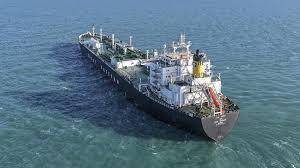
Restoration of disrupted global LPG supply chains could take three to four years, as it remains unclear if production has been halted temporarily or there has been permanent damage, a senior government official said
India relies heavily on West Asia for its LPG supplies, which have been hit by a blockade of the Strait of Hormuz and Iranian strikes on regional energy infrastructure in response to US-Israeli military actions.
"Based on inputs from affected suppliers, restoration could take at least three years, and possibly longer," the official said on condition of anonymity, pointing to India's rising import risks and cost pressures.
India's LPG import dependence remains high, with about 60 percent of consumption met through imports.
Nearly 90 percent of these supplies were routed via the Strait of Hormuz before the war broke out. As of March 24, the share of Gulf imports declined to 55 percent, indicating both disruption and diversification.
Long road ahead
Even after rerouting and alternative sourcing, effective supply disruption could remain at 40-50 percent. according to an April report by Rubix Data Sciences and Vayana TradeXchange.
Rubix Data Sciences is a risk management and analytics firm, while Vayana TradeXchange is a supply-chain finance and trade data platform.
The government is focusing on ensuring continuity of household supply while exploring alternative sourcing options to mitigate shortages, the official said.
"Your LPG supply might take that long because some of the very critical LPG supplies are shut down. What 'shut' exactly means is not fully clear whether entire wells have been exhausted or production has stopped but they themselves are saying it will take at least three years," the official said.
The official said alternative arrangements created during COVID could again help cushion the impact of supply disruptions. Alternative arrangements include diversifying import sources, rerouting shipments, increasing domestic output and managing demand.
The focus would be on managing consumption patterns and ensuring that households do not face disruption.
Low storage, higher prices
With annual LPG demand of around 33 million tonnes and storage capacity covering only about 15 days of consumption as of mid-March, the shift in sourcing raises short-term supply risks and exposure to price volatility, the report said.
Prices of domestic 14.2 kg LPG cylinders have risen by Rs 60 since mid-March, while commercial cylinder prices have increased by Rs 115 over the same period.
Gulf dependence
The UAE, Saudi Arabia, Qatar, Kuwait, Bahrain and Oman together supplied 92 percent of India's LPG, valued at $6 billion in FY25. The UAE, which has borne the brunt of Iran's attacks, accounted for 41 percent and Qatar 22 percent of the imports.
The disruption has increased freight costs and insurance premiums, which are expected to inflate LPG costs. Emergency measures directing refiners to maximise LPG output could also pressure gross refining margins.
Higher LPG prices are affecting commercial users such as hotels, restaurants and micro, small and medium enterprises. It is also increasing subsidy pressures on oil marketing companies supplying, domestic cylinders. Despite being a net exporter of refined petroleum products, India continues to rely on imports for fuels such as LPG, naphtha and fuel oil, leaving it exposed to global price volatility and supply disruptions.
Source: Moneycontrol
#theshippingtribune #latestnews #shippingnews #dailynews #Maritimenews #shippingindustry #news #media #newsupdate #maritime #shippingnewsworldwide
Related News

Shipping News
Leave Comments


Comments