








.png)
















Mastering the New Seascape: An Expert’s Note on Modern Ship Finance
To the ambitious shipowner, the diligent student of maritime commerce, and the next generation of market leaders…
Forget the romance of the open sea for a moment. The true frontier of modern shipping is not charted on nautical maps; it is drawn on balance sheets and term sheets. The global fleet, a floating engine of world trade worth up to $2 trillion, is in a perpetual state of refinancing, with over $70 billion in new capital demanded each year. This is the arena we operate in. It is immense, it is complex, and it has fundamentally changed. The first and most crucial truth to internalize is that the world of ship finance is no longer a single ocean. It is a two-tiered system, and the dividing line is as stark as a vessel’s waterline. In the mysterious upper tier, we see the large, investment-grade conglomerates. They have evolved beyond the constraints of asset-backed lending. They leverage corporate finance as a strategic weapon, utilizing unsecured revolving credit and ESG-linked bonds. This gives them the ultimate prize: FLEXIBILITY. Unencumbered by mortgages on individual hulls, they can pivot their portfolios with the agility of a frigate in a following sea, buying low, selling high, and chartering capacity without asking for a lender's permission. Capital, for them, is a tool for empire-building. For the independent, the emerging, and the boutique owner, that door is, for now, firmly closed. When I teach Ship Finance at IIT Madras to MBA students, I always emphasize that - this is not a cause for despair; it is a call to mastery. Your world is the world of “asset-backed finance”, a sphere defined by its structure: the master facility agreement, the first-priority mortgage, the assignment of earnings, and the assignment of insurances. As traditional bank capital deflates, the modern owner must also become a financial engineer, adept at alternative structures. This is not a disadvantage; it is a new skill set to be conquered.
- Sale-and-Leaseback (S&LB): Do not be afraid to trade residual upside for immediate liquidity. Engaging with Asian leasing institutions provides the capital to scale when opportunity strikes.
- Export Credit Agency (ECA) Financing: This is strategic, patient capital. KEXIM, JBIC, and others offer terms that can transform a project's viability. The access may be gated by shipyard origin, but for those who qualify, it is a powerful lever.
- Tax-Structured Leases (JOLCO): For the sophisticated, this is the apex of financial engineering. By monetizing tax depreciation through Japanese equity, you can achieve an exceptional all-in cost of capital while retaining control of the asset. It is complex, but the rewards are substantial.
These are not arbitrary chains; they are the architecture of trust that grants you access to capital. The challenge is to operate with brilliance within this structure. The primary battleground is the collision between the volatility of the spot market and the rigidity of loan covenants. A 1.25x Debt Service Coverage Ratio (DSCR) and a 60-70% Loan-to-Value (LTV) ceiling are the new financial laws of physics. In a MBA classroom we all run the sobering whiteboard scenario: a market TCE crash from $16,000 to $6,000 a day, erasing cash flow and triggering a technical default. In that moment, the sea does not distinguish between a good shipowner and a great one; the balance sheet does. This is where the great financial operators separate themselves. When cash flow compresses, the amateur freezes and the expert acts. Your playbook must be proactive, not reactive:
1. Communicate First, and Early: The moment you see a covenant breach on the horizon, your lender should already know. Bankers reward transparency. Negotiating covenant holidays and amortization resets from a position of strength and foresight, not desperation.
2. Secure the Horizon: Immediately hedge remaining spot exposure and lock in near-term time charters. Visibility is your most valuable strength in a storm.
3. Cut with a Bread knife, Not an Axe: Aggressively renegotiate technical fees and make the hard call on warm layups. This demonstrates stewardship of every dollar.
4. Demonstrate Commitment with Capital: Deploy equity-cure rights or execute strategic asset sales. Injecting fresh capital is the single most powerful signal you can send. It proves you believe in your own survival.
Let me be unequivocally clear: the playing field is not level. It has never been; but the tools to compete, to grow, and to ultimately join that upper tier are more sophisticated and accessible than ever before. The era of the passive owner relying on a single, friendly banker is dead. The future belongs to the financial athlete: the owner who combines operational excellence with a mastery of covenant management, cash-flow forecasting, and creative capital structuring. Long-term success in this industry was never just about the steel you own. It is, and always has been, about the rigor of your mind and the resilience of your strategy. The sea will always be unpredictable. Your approach to financing it should not be.
Navigate with intelligence; Trade with conviction; Finance with mastery.
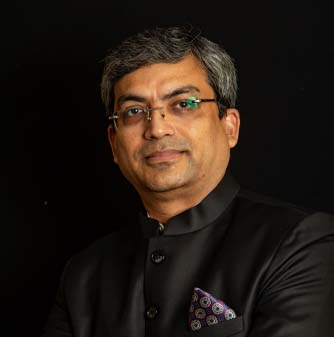
Source: Capt Pappu Sastry – CEO/ Shipping Consultant in Dubai and Visiting Faculty @ IIT Madras
#latestnews #theshippingtribune #shippingnews #shipfinance
Related News

Shipping News
- Sep 01, 2026
Mastering the New Seascape: An Expert’s Note on ....
Leave Comments


Comments