





















MARITIME BUSINESS LEADERS











BREAKING NEWS
IMO Urges Shippers Not to Risk Strait of Hormuz Transits
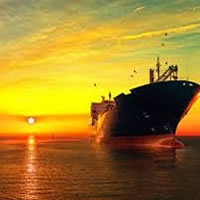
Navigation through the Strait of Hormuz remains too dangerous for ship owners and operators to brave the chokepoint, the head of the United Nations’ International Maritime Organization (IMO) said on Wednesday.
“I will maintain the message of upholding international law, for countries to do the same thing, and for companies — at this stage, particularly with the volatility — not to take risk to transit through the Strait of Hormuz,” IMO Secretary General Arsenio Dominguez told Bloomberg Radio.
The IMO and other maritime security organizations have been warning for nearly a week that the Strait of Hormuz is back to being too dangerous for shipping, following three weeks of steady uptick in tanker and container traffic that gave the oil and equity markets a short-lived reprieve from the heightened security concerns in the region.
The reprieve came to an abrupt end at the end of last week, and tensions further intensified early this week, as Iran hit several commercial vessels, including two UAE-managed oil supertankers on Tuesday, and the U.S. carried out three rounds of strikes on Iran and reinstated the naval blockade to stop Iranian oil exports.
The IMO’s Council earlier this week “reaffirmed that passage through the Strait should remain free of any tolls and charges, in accordance with international law, including the IMO Convention,” in response to U.S. President Donald Trump’s idea to demand a 20% fee of cargo value for the U.S. being the “guardian” of the Strait of Hormuz.
Trump quickly abandoned this idea less than 24 hours after floating it on his Truth Social platform.
Meanwhile, the Joint Maritime Information Center (JMIC) reaffirmed on Tuesday its regional threat level for the Strait of Hormuz at “severe”, which it had raised last week after the first signs of the ceasefire collapse emerged.
“The regional maritime security threat level remains SEVERE with further deliberate hostile activity likely under current conditions,” JMIC said.
“Mariners should expect sustained naval presence, increased IRGC hailing and monitoring along transit routes, and possible diversion of AIS-equipped vessels to the northern Iranian-controlled route. Enhanced force protection measures, increased VHF hailing, and congestion near anchorage areas should also be anticipated.”
Source: Oilprice.com
#latestnews #theshippingtribune #imo #shippers #straitofhormuz
Related News

Shipping News
Leave Comments



Comments