







.png)












.png)







Shipping industry enlists AI to tackle rising number of cargo fires
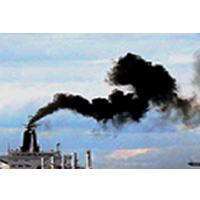
The global shipping industry is turning to artificial intelligence to try to cut the number of deadly fires at sea, which hit a decade-high in 2024 thanks to the growing number of cargoes containing batteries and other flammable materials.
The failure of shipping agents to declare dangerous goods — either accidentally or to avoid higher fees for hazardous cargo — was the biggest reason for the rise in fires, said the World Shipping Council, the industry body that is launching a programme to detect offenders.
A new AI-powered tool will scan millions of bookings in real time, using pattern recognition and algorithms to identify risks. These will be flagged to carriers who can carry out physical inspections if necessary.
WSC chief executive Joe Kramek announced the scheme at the start of London International Shipping Week on Monday, adding that carriers accounting for 70 per cent of global container freight capacity had opted to join.
“We have seen too many tragic incidents where mis-declared cargo has led to catastrophic fires, including the loss of life,” he said.
Last week, the Singapore-registered container ship Wan Hai 503 was finally towed into Jebel Ali port in the United Arab Emirates two months after catching fire off the coast of India leaving four crew members dead.
The blaze reportedly started in the hold of the vessel, although Taiwanese owner Wan Hai Lines has a strict policy of never stowing dangerous cargo in the hold, leading to speculation that some of it may have been mis-declared.
Investigators blamed a January 2019 fire on the German-flagged Yantian Express on “coconut charcoal” being accidentally declared as “coconut pellets”.
The AI initiative has been welcomed by the maritime insurance industry. The International Group of P & I Clubs, which between them provide liability cover for 90 per cent of the world’s ocean-going tonnage, said it supported the scheme and urged “widespread adoption across the container shipping sector”.
The 2025 shipping safety review by Allianz found a decade-high number of fires across all vessel types in 2024, with mis-declared cargoes the “top concern” among carriers. It warned the increase in the size of container vessels had made it harder to fight fires, while the global move to electrification — demand for lithium-ion batteries is forecast to more than double by 2030 to $322bn — had also increased risks.
“Recent fires at battery facilities highlight potential industry dangers while maritime concerns are rising, with incidents on vessels at sea and at US and Canadian ports,” the report said. Rahul Khanna, a former cargo ship’s captain who is now global head of marine risk consulting at Allianz Commercial, said misdeclaration had been a problem for many years, but the costs of fires were increasing because container vessels had grown so much.
"Ten years ago the biggest ships carried 10,000 containers, now it’s 24,000. The latest issue is lithium ion batteries, so you see shippers declaring shipments as, say ‘computer parts’ rather than hazardous materials in order to avoid extra costs.”
Khanna added that the AI component of the scanning software would spot patterns and anomalies as well as learning from previous events, making the tool more powerful over time. “The beauty is that if it figures out, say, that ‘children’s toys from Taiwan’ have previously been used as a misdeclaration for pyrotechnics, then it learns for future reference and searches using keywords and geographical reference.” As well as safety, executives said the deteriorating geopolitical climate and the net zero agenda would be important talking points at the London event.
Next month, the International Maritime Organization is scheduled to vote on a controversial plan to create a global carbon pricing mechanism for shipping. A draft agreement to impose fees on ships that do not meet global emissions standards was approved last April by a majority of its 175-member countries, but it faces aggressive pushback from the US.
A statement issued by President Donald Trump’s administration in August rejected the IMO’s Net Zero Framework as a “global tax” on Americans and warned the US would “not hesitate to retaliate” against countries that failed to back its attempts to block the scheme.
Source: Financial Times
#theshippingtribune #latestnews #shippingnews #dailynews #Maritimenews #shippingindustry #news #media #newsupdate #maritime #shippingnewsworldwide
Related News

Shipping News
Leave Comments


Comments